• National Institute of Health

    UX / UI

Project Overview

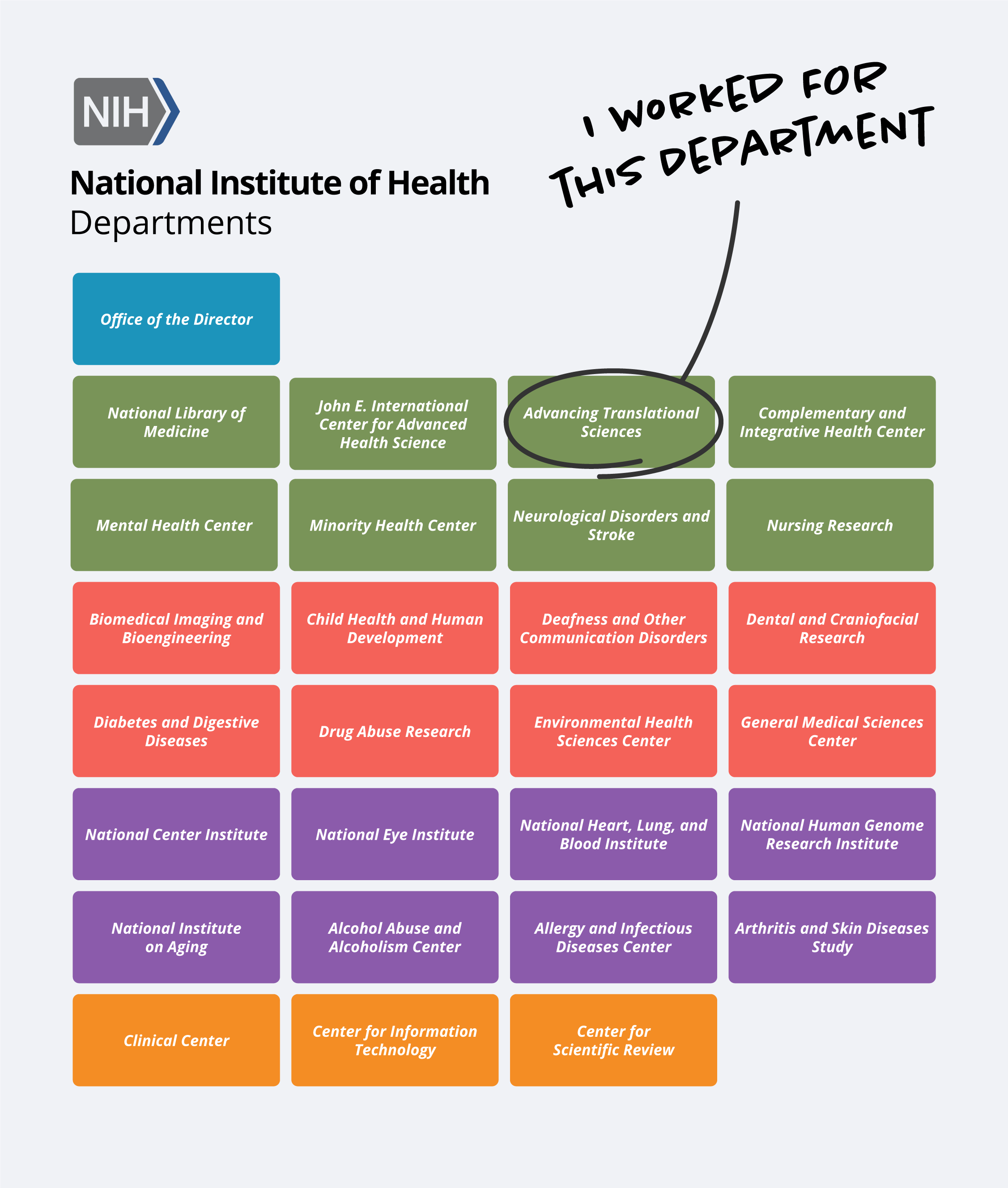
I got the opportunity to help the National Institute of Health’s Advancing Translational Sciences team of designers improve and support multiple dashboards that help the organization manage microscopy visuals, collaborate more easily, and more.

Responsibilities

UX/UI Design
Prototyping
Wire-framing
Iconography

What is Translational Science?

17 Years for Scientific Advances

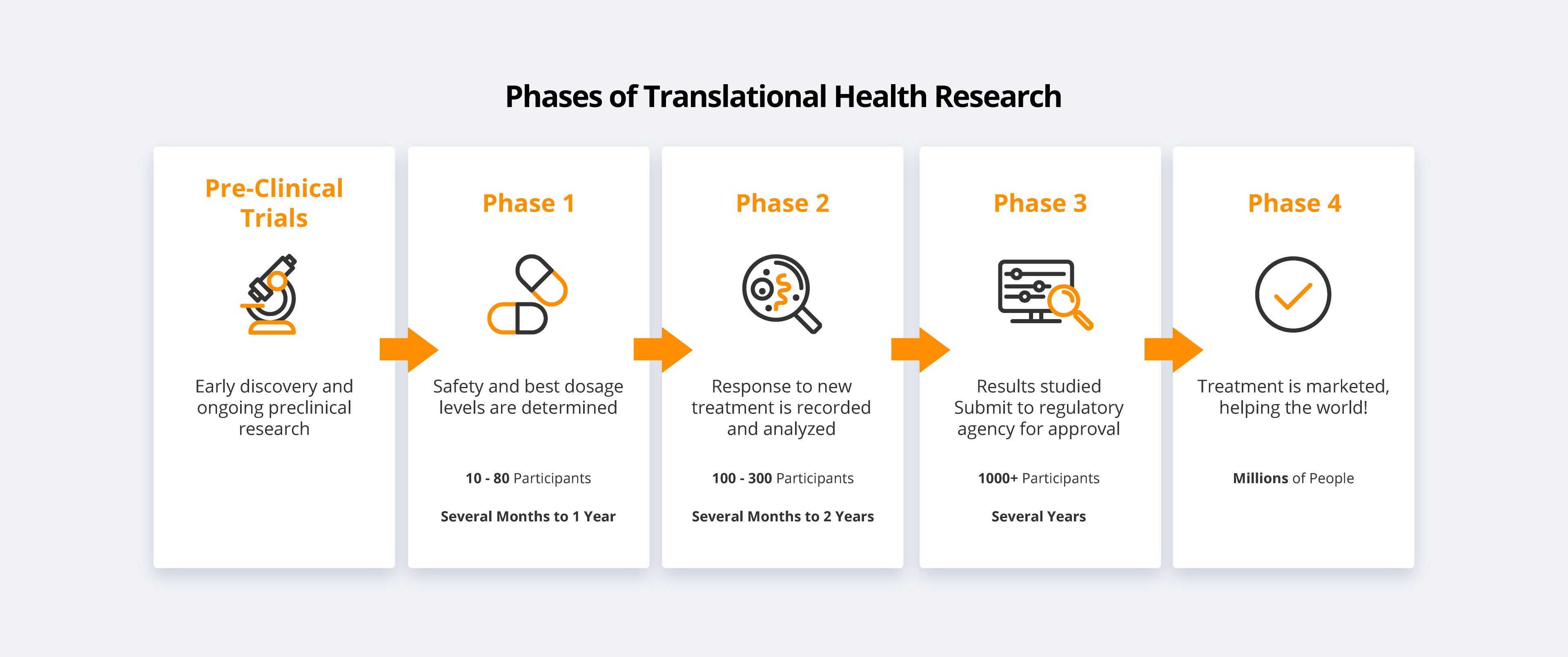
In the 1990s, the National Institute of Health noticed that it was taking on average, 17 years before research from laboratory studies actually made it out into the real world as something applicable and useful, like as a medicine or as a standardized practice. The reason is because researchers, community doctors, and policy makers weren’t communicating efficiently. So in 2011, the National Center for Advancing Translational Sciences (NCATS) department of the NIH was born.

Translational Science looks to try and speed up new discoveries coming out of clinics and then assess which of those treatments are the most effective and cost effective, and to help get the right people in touch to create best medical practice guidelines based on those new discoveries.

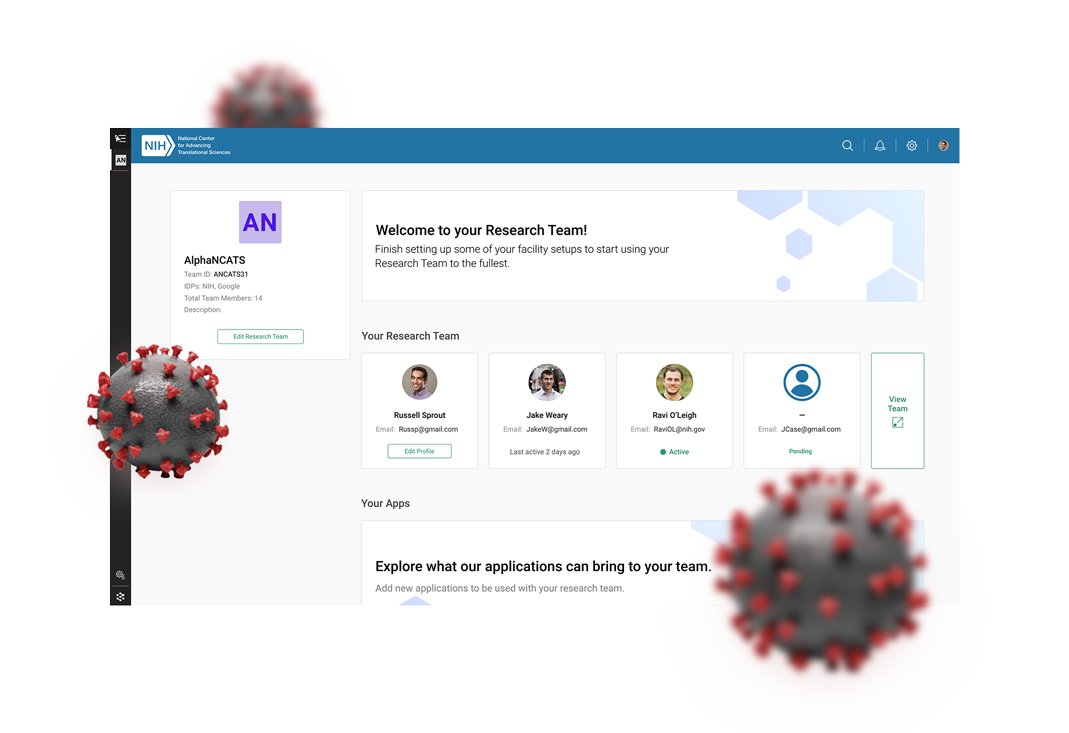
Introducing

Metadata Services

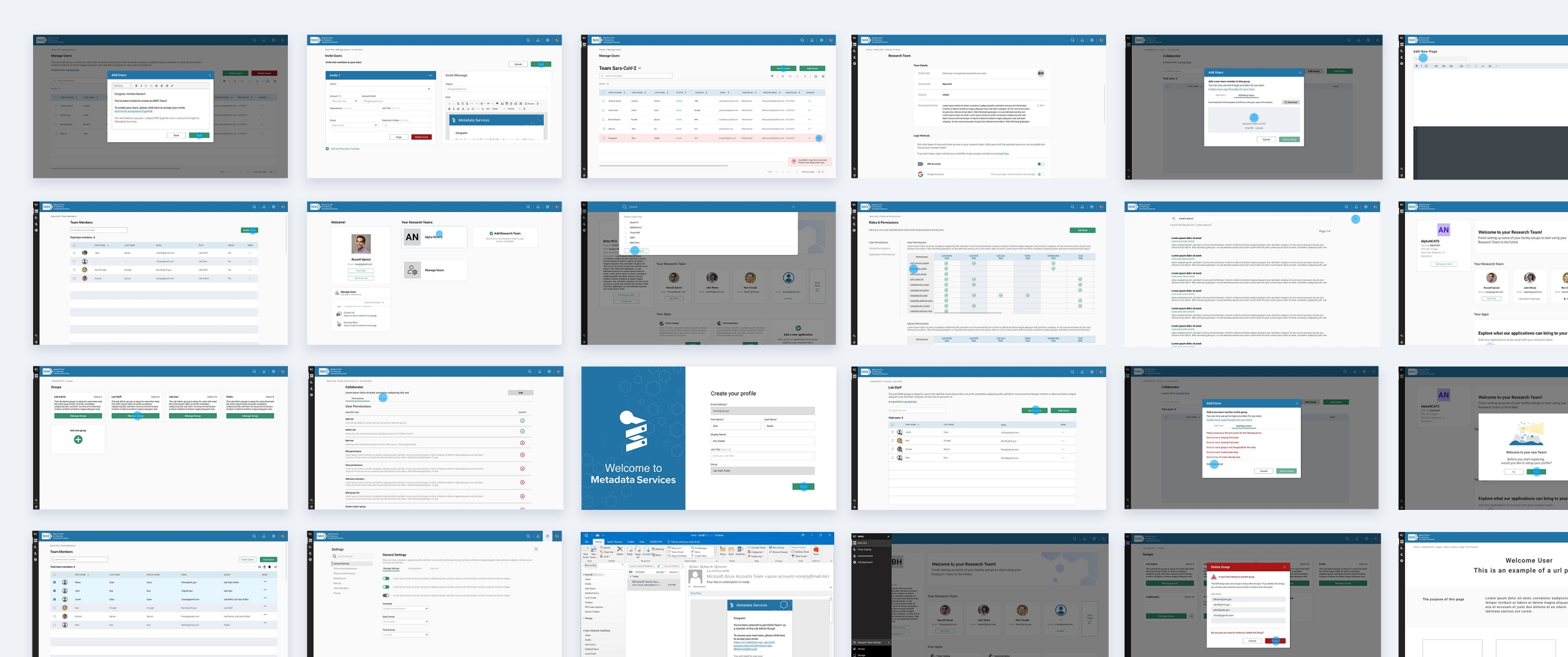
Metadata services is a collaborative platform for translational research. With applications around laboratory informatics, MDS packages everything you’ll need to manage your teams research.

The Problem

NIH researchers who work across multiple team facilities currently don’t have a solution to seamlessly connect all of their research data under one workspace.

A single user could have multiple roles, that could lead to complexity when trying to share and access research data.

The Solution

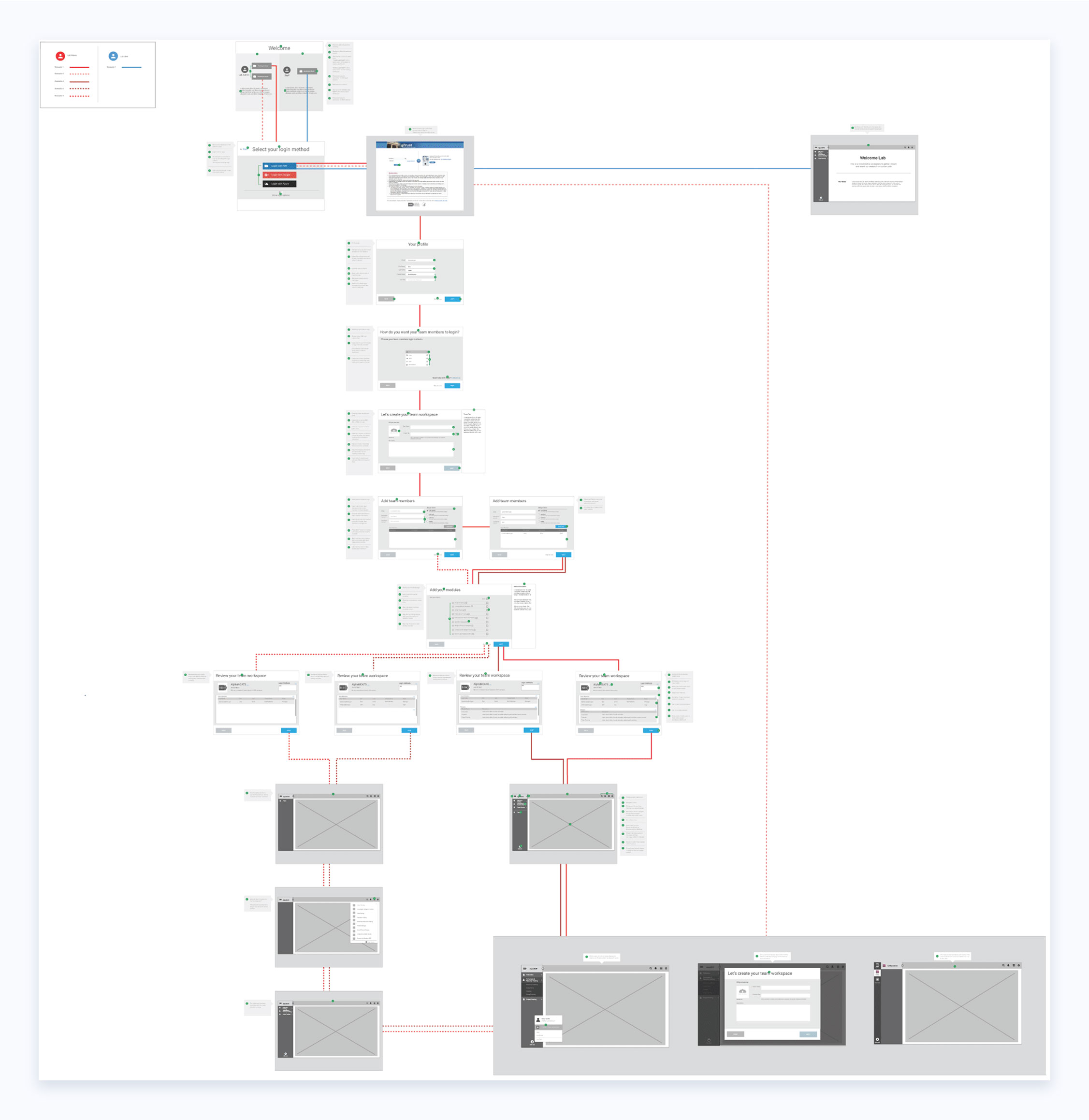
Using our framework, users can create a mutli-tenant dashboard that links all workspaces they are associated with.

The cureshare framework manages each workspaces storage, authentication, application, and users, and created an easy and centralized experience.

Research

We started our design solution by researching competitors that also try to provide a multi-tenant solution, along with complex development focused dashboards.

Storage

The storage options most requested by scientists included Google Drive, Local Drives, Amazon S3 Buckets, and Dropbox

Target Users

Our first target users are the NIH’s facilities at NCATS and NIAID. They currently use an older framework to handle their research teams data.

Let’s work together.

©2026 Jonathan Rouse | All Rights Reserved.